The Psychology of Social Media Addiction
The Dark Side of Social Media
Introduction
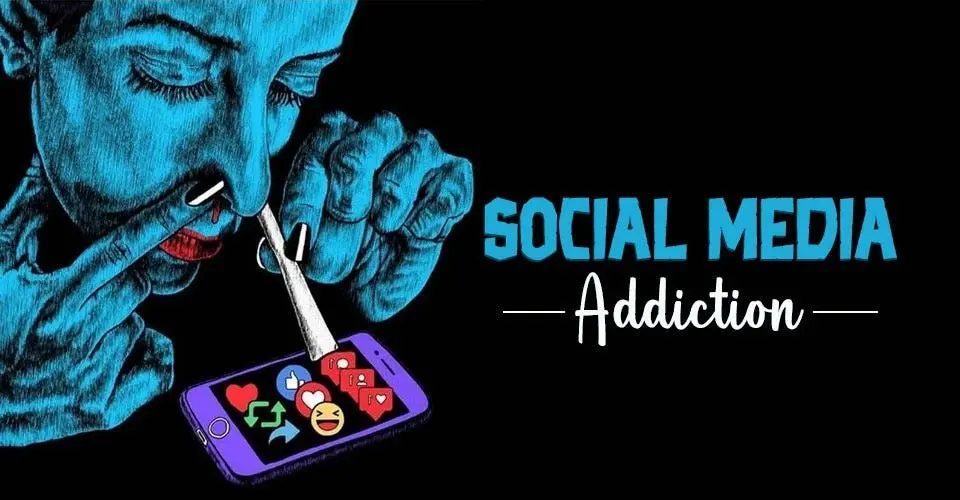
Social media is an inseparable part of modern society. While it can have a lot of benefits, many people find themselves glued to the screen for hours without realizing how much time passes. Checking notifications when they first wake up in the morning or brain-dead scrolling at night or any time of day. But have you ever asked yourself why social media is so compelling and even addicting? Why is it so hard to resist? Well, it all has to do with the functions of the brain itself and how companies take that to their advantage to keep us busy. In this article, we will dive deeper into the psychology behind social media addiction and cover important points.
Addiction as a General Definition
So, let’s define addiction in general; Addiction is driven by the brain’s reward system, which releases dopamine, a neurotransmitter (or hormone if you don’t understand that long word. It’s ok, happens) associated with pleasure and motivation. Social media platforms understand this mechanism and how it works, and so they hijack the reward system to trigger the brain to do less and feel more achieved. Over time, the brain begins to crave these digital rewards, and individuals check social media repeatedly, even when it negatively impacts their daily lives. Hence why social media is compared to drugs in some cases. Understanding this cycle is key to recognizing why social media addiction is so powerful.
Why social media is so Addicting
Social media is designed to keep the brain always engaged by using psychological triggers. Instant gratification is one of the main aspects that plays a huge role like likes, comments, and sharing provide instant pleasure making the habit grow stronger. Fear of missing out, also known as FOMO, sounds weird I know, is an actual study that found that some users feel anxious about being left out, pushing them to check their feeds constantly. Additionally, infinite scrolling creates a never-ending stream of content, making it easy to lose track of time. These factors combine to make social media highly addictive and hard to move away from.
Impact on Mental Health
Excessive use of social media has been linked to a ton of mental health issues including anxiety and depression, as constant comparisons and lack of activity leads to a lack of self-worth. Sleep disturbance is also a big physical issue due to the exposure to blue light, and it becomes worse at night leading to interference with the natural sleep cycle. Of course, the most well-known problem is the reduced attention span, which some take as a joke and do not believe, but fast-paced content makes it harder to focus on longer tasks. Over time, these effects can significantly impact overall well-being.
How to Prevent or Decrease Social Media Addiction
So, we listed all the issues that come with this problematic habit. So now you’re probably wondering how you’re supposed to decrease the use of social media if it’s that addicting. Well, let’s start with setting time limits decreasing your phone use, and using apps or phone settings to track and restrict screen time. Turning off notifications can help minimize distractions and reduce the urge to check updates constantly. Engaging in other activities like reading, exercising, or socializing in person can shift focus away from screens. You can also try a dopamine detox; I’ll leave that as homework for you to find out by yourself.
Conclusion
In Conclusion, while social media connects us to the world and has some benefits, its addictive nature can negatively impact mental health, sleep, and focus. Understanding how social media platforms and companies hijack the brain’s reward system helps us recognize why it’s so hard to put our phones down. However, addiction doesn’t mean it’s over, because by setting boundaries, turning off distractions, and engaging in more fun or outdoor activities, we can regain control. In the end, the key is healthy use.