The Science of Sleep
We all sleep, but do we understand the science behind it

The Science of Sleep: The Fundamental Pillar of Life
Introduction:
"Sleep is the golden chain that binds health and our bodies together." - Thomas Dekker. We spend about a third of our lives sleeping, but with busy schedules, sleep is often the first thing to be sacrificed. While it may seem like just resting, sleep plays a significant role in our physical and mental well-being. It helps us remember things, balance hormones, and more. So, what happens when we sleep? Why do we feel refreshed after a good night's sleep and tired when we don't get enough? This article discusses how sleep works, its benefits, and why it's crucial for staying healthy and feeling great.
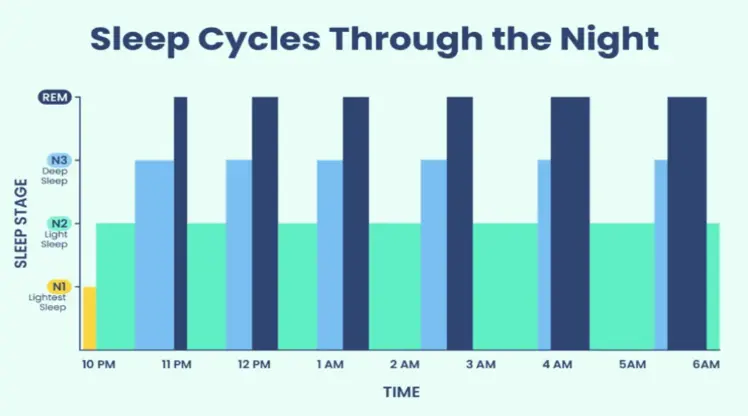
The Sleep Cycle and Its Stages:
Sleep isn't just about "shutting down." Your body goes through different stages, each serving a specific purpose. Scientists categorize sleep into two types: Non-Rapid Eye Movement (NREM) and Rapid Eye Movement (REM).
NREM sleep is the first stage where your body slows down, muscles relax, and your brain waves become steady. It consists of three substages: N1, N2, and N3. NREM sleep is essential for physical rest and strengthening the immune system. Hormones like cortisol and prolactin are released in these stages. Without adequate sleep, those hormones would be released in disrupted patterns, which can lead to significant health problems (some cases being severely fatal). The deeper you get into NREM, the harder it is to wake up (N3 is the deepest stage of sleep). That said, not sleeping enough can lead to fatigue, poor focus, and a weakened immune system.
Immediately after NREM is finished, you enter REM sleep. It's when your brain becomes more active, and vivid dreams occur. REM is crucial for learning, memory, and emotional regulation. During this stage, growth hormone (GH) assists with tissue repair and height increase. Melatonin (the hormone that helps you feel sleepy) is also released. Your sleep cycle resets every 90 minutes, so if you don't sleep enough, you miss out on these important processes. Think of it like trying to bake a cake halfway through; it just won't turn out right.
(explanation right under the pic). N1, N2, and N3 are all broken down types of NREM sleep, whereas REM doesn't have any substages. Approximately every 1 hour and 30 minutes, the cycle repeats itself. The best stage to wake up in is during light sleep, which occurs in the N1 or N2 stages of the sleep cycle. In these stages, your body is still relaxed, making it easier to wake up feeling refreshed and alert.
The Biology of Sleep:
Sleep is controlled by two main systems: the circadian rhythm and sleep-wake homeostasis. The circadian rhythm is like a natural clock in your body that tells you when to wake up and when to sleep. It's regulated by a small part of the brain called the SCN, which responds to light and controls the release of melatonin, the sleep hormone. Too much screen time before bed can confuse this process and make it harder to sleep. Sleep-wake homeostasis makes you feel more tired the longer you stay awake due to a chemical called adenosine. While you sleep, your brain clears out waste, keeping you healthy.
Sleep Disorders and Their Impact:
Several sleep disorders can interfere with sleep and affect your health. An example is insomnia, which makes people struggle to fall or stay asleep, leaving them feeling tired and unfocused. Another disorder is sleep apnea, which causes people to stop breathing for short periods while sleeping, leading to frequent wakeups and poor sleep quality. These and other disorders can make it harder to concentrate or be active.
Ways to Improve Sleep Quality:
If you're struggling with sleep, there are many simple ways to improve your rest. Going to bed and waking up at the same time each day, even on weekends, establishes a routine and encourages your body to set its internal bedtime alarm. Another tip recommended by doctors is to avoid looking at screens at least an hour before bed, as the light can interfere with melatonin production. Lastly, ensuring your room is dark, quiet, and cool promotes better sleep.
Conclusion:
To sum up, sleep is far more than just a break from life. It’s vital for staying healthy. When you get enough rest, your brain processes information and boosts memory significantly. Sleep also regulates metabolism and strengthens the immune system. Therefore, prioritizing 8-10 hours of sleep each night is one of the best things you can do for both your mind and body. Your future self will definitely thank you for making rest a priority.